The Greenwood Blueprint: What Black Wall Street Teaches First-Gen Wealth Builders About Money in 2026
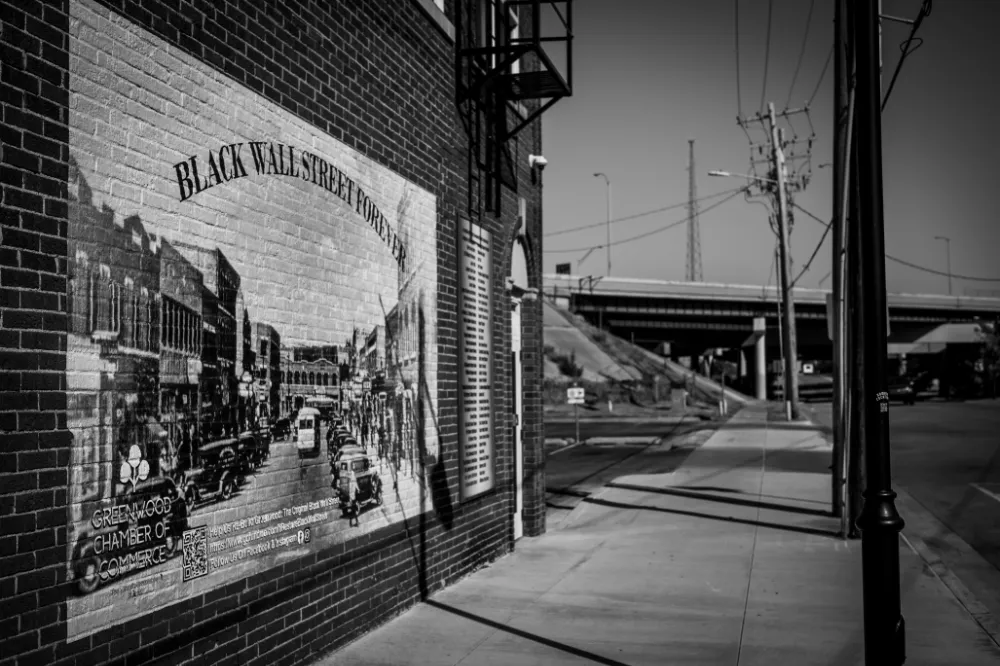
Picture this. A 15-year-old girl walks down a busy avenue. Every storefront she passes, the bank, the grocery store, the movie theater, the hotel, is owned by someone who looks like her.
That wasn’t a dream. That was Greenwood Avenue in Tulsa, Oklahoma, in 1921. An entire economy built by Black families who were told they’d never own anything worth protecting.
And the wildest part? A single dollar spent in Greenwood circulated 36 to 100 times before it ever left the neighborhood. The same bill paid the barber, funded the school, stocked the shelves, and came back around again. That’s not magic. That’s strategy.
This Black History Month, we’re not here to hand you a history report. We’re here to hand you a blueprint. One that’s been working for over a century. Whether you’re a teen who’s curious about money or a parent who wants to walk alongside your child into something unfamiliar, this story is for you.
You don’t need a trust fund. You don’t need to be “good at math.” You just need to be willing to take one step. Let’s walk through it together.
How Greenwood Built an Economy Without Asking for Permission
By 1921, Greenwood was home to more than 300 Black-owned businesses. Doctors, lawyers, restaurant owners, and real estate investors all operating inside a self-sustaining economy. Black families weren’t welcome in white-owned establishments, so they did something radical. They built their own.
They didn’t wait for a bank to approve them. They created banks. They didn’t wait for someone to employ them. They employed each other. And they didn’t just earn money. They circulated it, intentionally keeping wealth flowing through their own community.
That’s what circulating wealth means. Being intentional about where your money goes so it builds something bigger than a single purchase. When you spend at a business that reinvests in your neighborhood, your dollar doesn’t just buy something. It builds something.
In 1921, Greenwood was destroyed by the Tulsa Race Massacre. Homes burned. Lives lost. Decades of wealth wiped out in hours. But what couldn’t be destroyed was the playbook.
Mutual Aid: The Original Safety Net
Greenwood didn’t happen in a vacuum. It was built on a tradition that goes back even further.
In 1787, a group of free Black men in Philadelphia, led by Richard Allen and Absalom Jones, formed the Free African Society. Members contributed small amounts of money each month. Those funds covered emergencies, funerals, medical care, and education. If someone in the group fell on hard times, the society caught them.
This wasn’t charity. This was a strategy. Black families were denied insurance, bank accounts, and credit. So they created their own safety nets. Mutual aid societies spread across the country. They helped communities survive and thrive when every other door was closed.
Here’s what that teaches us. You don’t need a lot of money to start protecting yourself and your family. You just need a plan and people you trust.
Why This Still Matters for You Right Now
Today, the average dollar circulates in Black communities for about six hours before leaving. Six hours. Compare that to Greenwood’s 36-plus cycles, and you start to see the gap. Not in talent or intelligence, but in infrastructure. In systems. In strategy.
If you’re a first-generation wealth builder, you’re stepping into a world nobody mapped out for you. That’s not your fault. But it is your opportunity. The Greenwood blueprint shows us that wealth isn’t built by one person grinding alone. It’s built by communities investing in each other, one decision at a time.
And you can start making those decisions today.
Your 2026 Money Moves: 3 Ways to Use the Greenwood Blueprint This Month
Move 1: Open Your First Account at a Credit Union or Money Market
Today, the average dollar circulates in Black communities for about six hours before leaving. Six hours. Compare that to Greenwood’s 36-plus cycles, and you start to see the gap. Not in talent or intelligence, but in infrastructure. In systems. In strategy.
If you’re a first-generation wealth builder, you’re stepping into a world nobody mapped out for you. That’s not your fault. But it is your opportunity. The Greenwood blueprint shows us that wealth isn’t built by one person grinding alone. It’s built by communities investing in each other, one decision at a time.
And you can start making those decisions today.
Move 2: Start a Family Emergency Fund, Even With Spare Change
Greenwood families didn’t just spend together. They protected each other. Mutual aid, pooling small amounts to cover emergencies, was the original safety net. And it still works.
Talk to your family about setting aside a small amount each week. A jar on the counter, a savings app, whatever fits your life. Agree on what counts as an emergency. Think car trouble, medical bills, or unexpected school costs. Not pizza night. Five dollars a week adds up to $260 by year’s end. Consistency matters more than the amount.
Move 3: Launch a Money Circle With Your Friends
Greenwood worked because people learned and built together, not in isolation. You can do the same thing with a money circle. Get a few friends together, chip in a small amount each month, and actually talk about money. What you’re saving for. What you’re learning. What confuses you.
It doesn’t have to be formal. It just has to be intentional. The point isn’t perfection. It’s practice. And when your circle is growing together, you stop feeling like you’re figuring it out alone.
This Isn't Just About Monday. It's About What Money Makes Possible.
The families of Greenwood weren’t chasing numbers on a screen. They were building dignity. Safety. Choices. A future where their kids had more options than they did.
That’s what legacy actually looks like. Not a flashy bank balance. A family that can handle an emergency without panic. A teenager who walks into a financial conversation with confidence instead of fear. A community where wealth stays and grows instead of disappearing.
If you’re a parent reading this, your willingness to start this conversation is already powerful. You don’t need to have all the answers. You just need to be in the room. Learning alongside your child, not standing on the sidelines.
And if you’re a student? You’re not behind. You’re not late. You’re the beginning of something your family has never had before. That’s not pressure. That’s power.
Ready to Make Your Move?
Pick one of the three money moves above. Just one. Write it down. Tell someone you trust. When you say it out loud, it becomes real.
For students: Join a Young WallStreet workshop and start building your investing knowledge alongside other first-gen wealth builders who get it. You don’t have to figure this out alone.
For parents and guardians: Share one memory with your child about how your family handled money. The wins and the hard times. Then explore opening a savings account together. Make it a family project. Learn more about Young WallStreet programs.
For educators: Bring this history into your classroom this month and give students something to do with what they learn. Partner with Young WallStreet to host a workshop.
When you open that account, start that fund, or gather your people for a money conversation, you’re doing exactly what the families of Greenwood did. You’re building something that lasts.
Frequently Asked Questions
Here is a quick checklist to get you started with your website below. Remember, imperfect action beats inaction; get started and keep publishing.
What was Black Wall Street?
Black Wall Street was the nickname for the Greenwood District in Tulsa, Oklahoma. It was a thriving hub of over 300 Black-owned businesses in the early 1900s. It was destroyed in the 1921 Tulsa Race Massacre, but the economic strategies used there are still powerful today.
What is mutual aid?
Mutual aid is when a group of people pool small amounts of money to help each other in emergencies. It’s one of the oldest wealth-building strategies in Black economic history. Modern money circles work the same way. Friends or family contribute together, learn about finances, and support each other’s goals.
How can a teenager start building wealth with no money?
Start with what you have, even if it’s $5. Open a savings account, start a family emergency fund with spare change, or join a money circle with friends. Building the habit matters more than the dollar amount.
Are credit unions and money market accounts safe?
Yes. Credit unions are NCUA-insured, and money market accounts through banks are FDIC-insured. Both protect your deposits up to $250,000. Always look for the FDIC or NCUA logo before opening an account.
What does “circulating wealth” mean?
It means being intentional about where you spend and save so your money stays in and strengthens your community. In Greenwood, a single dollar changed hands dozens of times, funding schools, businesses, and families along the way.
How do I talk to my family about money?
Start by sharing something you learned, like this blog. Suggest one small step you can take together, like setting up an emergency fund. Keep it light, keep it real, and remember that the conversation itself is a form of wealth-building.